TWR and the role of partnerships in Christian radio
Trans World Radio, usually known as TWR, is better understood as an international Christian media organisation than as one local radio station. Its history provides a useful way to think about three separate parts of a project: making programmes, delivering them and maintaining relationships with listeners.
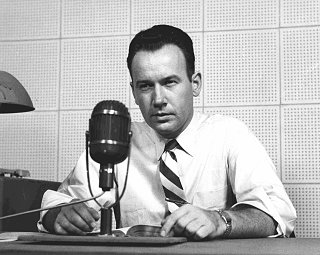

From Tangier to an international network
TWR dates its first broadcast from Tangier, Morocco, to 22 February 1954. Its historical timeline records broadcasts from Monte Carlo in 1960 and Bonaire in 1964, followed by further expansion. The same timeline identifies the founding of Germany’s ERF in 1959 as the beginning of its national partnership model. TWR’s official timeline.
In its 2024 retrospective, TWR describes an organisation that developed from broadcasting towards Spain into an international operation using radio alongside digital media. TWR’s account of its broadcasting milestones.
Programmes and distribution are different jobs
The useful lesson for a new church project is organisational. Your strongest contribution might be local interviews, teaching or a programme in a particular language. You may have people able to produce that content before you have a suitable transmission site. Conversely, a group with an authorised station may need help filling a sustainable schedule.
Our recommendation is to evaluate partnerships alongside equipment. Explore whether an existing broadcaster can carry a programme, whether authorised network material can complement local production, and who will respond when a listener gets in touch. Do not assume that publicly available audio comes with permission to rebroadcast it.
Start with a schedule the team can sustain
A weekly programme can be a practical first exercise. Assign responsibility for presenting, recording, editing and checking the final audio. Decide who covers each role when the usual volunteer is unavailable. Keep a small reserve of suitable material so a missed recording does not become an empty slot.
Document delivery requirements with any partner: programme duration, file format, deadline, identification and what happens if a file arrives late. These are planning suggestions for your project, rather than a description of TWR’s internal procedures.
TWR’s history invites a broader question than which transmitter to buy: which responsibilities should your church handle itself, and which would benefit from a partner? The answer helps define the studio and transmission equipment you actually need. Plan your church radio service.