FEBC and the importance of a local voice
Far East Broadcasting Company, known as FEBC, offers a perspective on religious radio in which the people making a programme matter as much as the route used to distribute it. For a church beginning its own service, it is a useful prompt to think about whose voices listeners will recognise and understand.

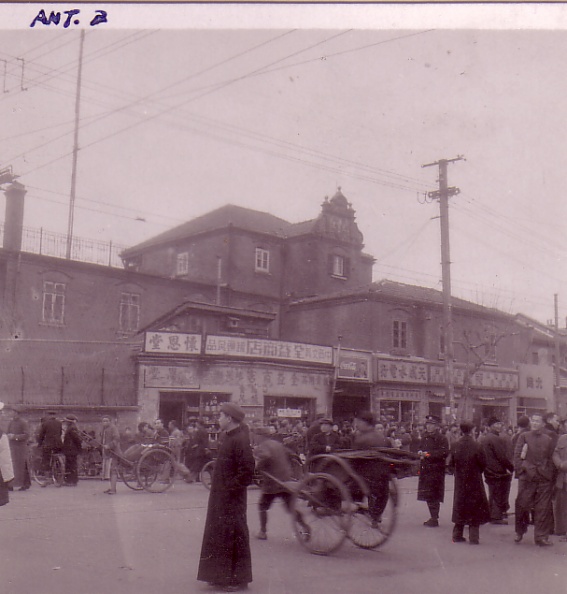
A movement with broadcasting roots in Asia
FEBC’s official history places its beginnings in the period after the Second World War. Its timeline records incorporation and a first station in the Philippines during the 1940s, followed by radio distribution and teams in Hong Kong and Japan in the 1950s. Later entries describe studios and teams in additional countries. FEBC’s official history.
FEBC’s account emphasises broadcasting Christian programming in listeners’ own languages. It is an international organisation rather than a single station with one frequency and one audience. That distinction is important when comparing its work with a proposed local service.
What makes a voice local?
Our editorial lesson is that language is only the beginning. Familiar pronunciation, relevant examples and an understanding of the listener’s daily life can make a programme easier to follow. A well-recorded talk may still feel remote if it assumes knowledge that its audience does not share.
For a pilot programme, invite someone who knows the intended community to review the script and recording. Ask where the meaning is unclear, where an explanation is too long and which questions a listener might want to ask next. Treat that review as part of production, not simply as proofreading.
Make room for a response
A local radio project should decide what happens after somebody listens. A contact route is useful only if a named person checks it and knows how to handle enquiries. A programme discussing personal experiences also needs care over what contributors have agreed to share publicly.
Try a simple format: a short introduction, one main subject, an interview or explanation, and a clear closing. Give the listener enough context to join halfway through. Review the first few episodes with people outside the production team before expanding the schedule.
These are practical suggestions for a new church station, not claims about FEBC’s production rules. Its history provides the starting point: building a broadcasting service involves developing people and programmes as well as installing equipment. Explore the steps in planning a church station.